
Accelerate R&D with the First AI-Native Engineering Platform
Trace.Space is the first agentic platform for requirements, traceability, and systems engineering. Built to accelerate R&D of complex, software-defined, and autonomous products, it gives engineering teams a coordination layer that actually keeps pace with modern program complexity.
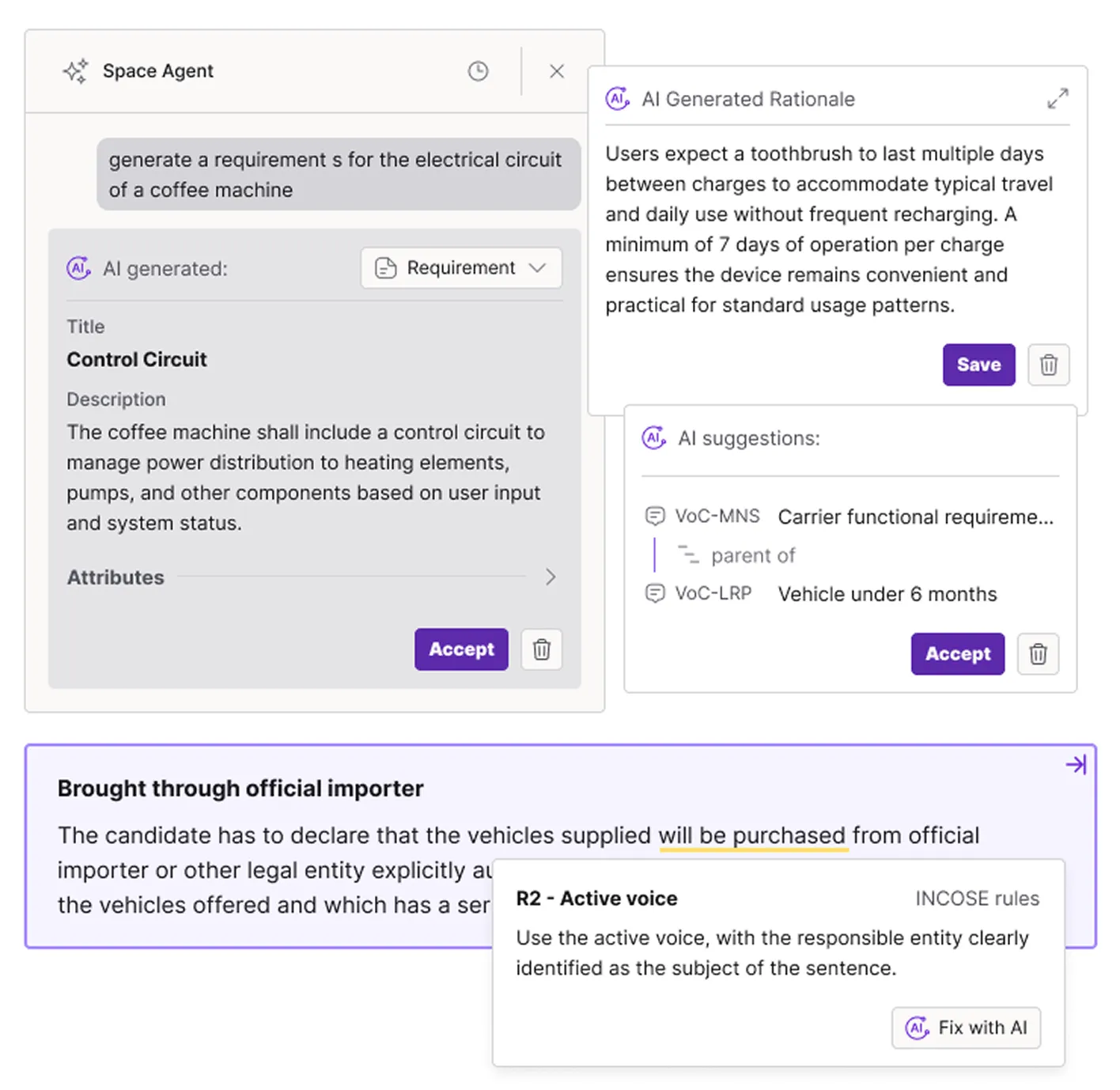
Space Agent, the platform's AI-native core, ingests requirements, design parameters, and tests, then automatically generates trace links, flags missing coverage, and surfaces risky changes before they cause delays. Engineers working in Trace.Space see 10 to 100x productivity gains over manual workflows in legacy tools, not because the AI replaces their judgment, but because it eliminates the coordination overhead that consumes most of their day.
The platform's API-first architecture integrates cleanly with existing engineering stacks. The UI was designed to reduce cognitive load, not add to it. And with support for private cloud, on-premise, and fully air-gapped deployments, Trace.Space fits the security posture of regulated industries from aerospace and defense to automotive and medical devices.
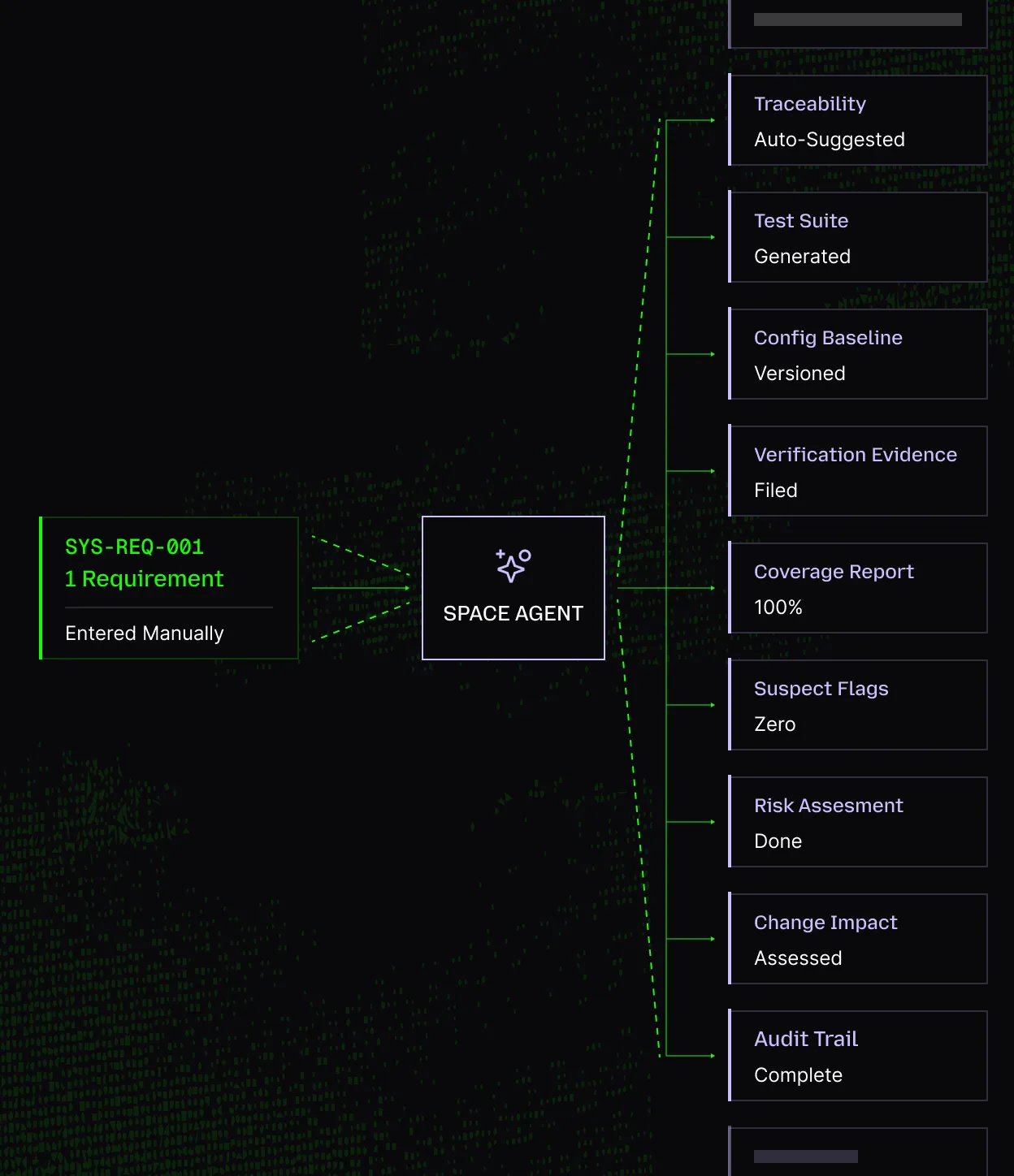
How Trace.Space Works
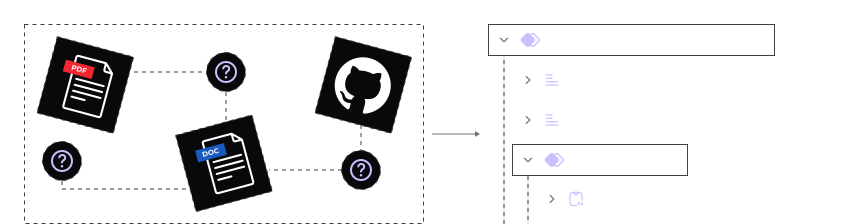
Import
Bring in your existing requirements from CSV, Word, Jira, Git, Confluence, or via API. Existing trace links come with them. No reformatting, no data loss, no six-month migration project.
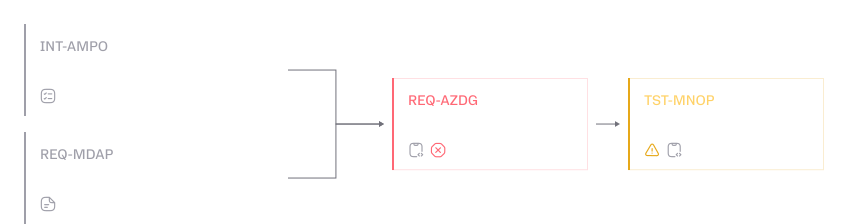
Structure
AI maps trace links across your full requirement set, detects missing coverage, and flags inconsistencies. What used to live in disconnected spreadsheets becomes a living, connected graph.
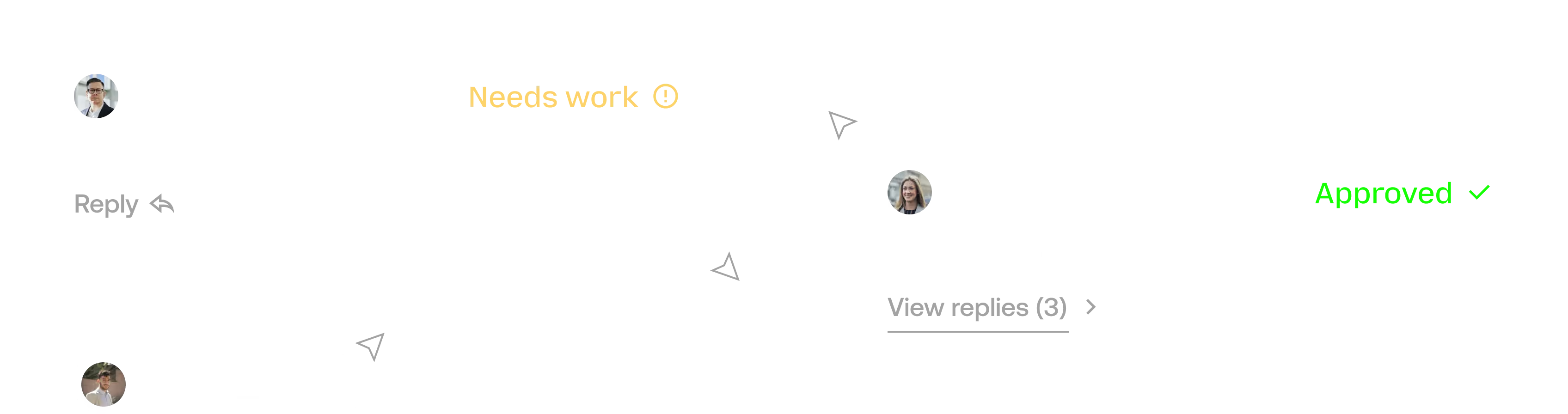
Collaborate
Review, comment, and approve inside the system. Every change is connected to its rationale and downstream impact. Multi-domain teams work in the same environment without stepping on each other.
Analyze
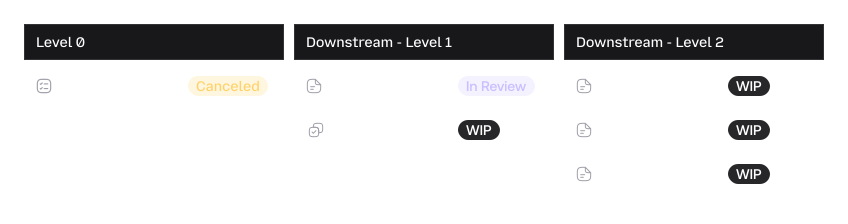
Space Agent surfaces missing links, unverified changes, and downstream risks before they cause delays. Coverage gaps, broken traces, and requirement conflicts are visible in seconds, not weeks.
AI-Native Intelligence

AI that detects broken links, missing coverage, and risky changes in real time. Surfaces gaps and duplication the moment they appear, not three sprints later during integration. This is not a chatbot bolted onto an engineering tool. It is an agent that operates inside your data model.
End-to-End Traceability
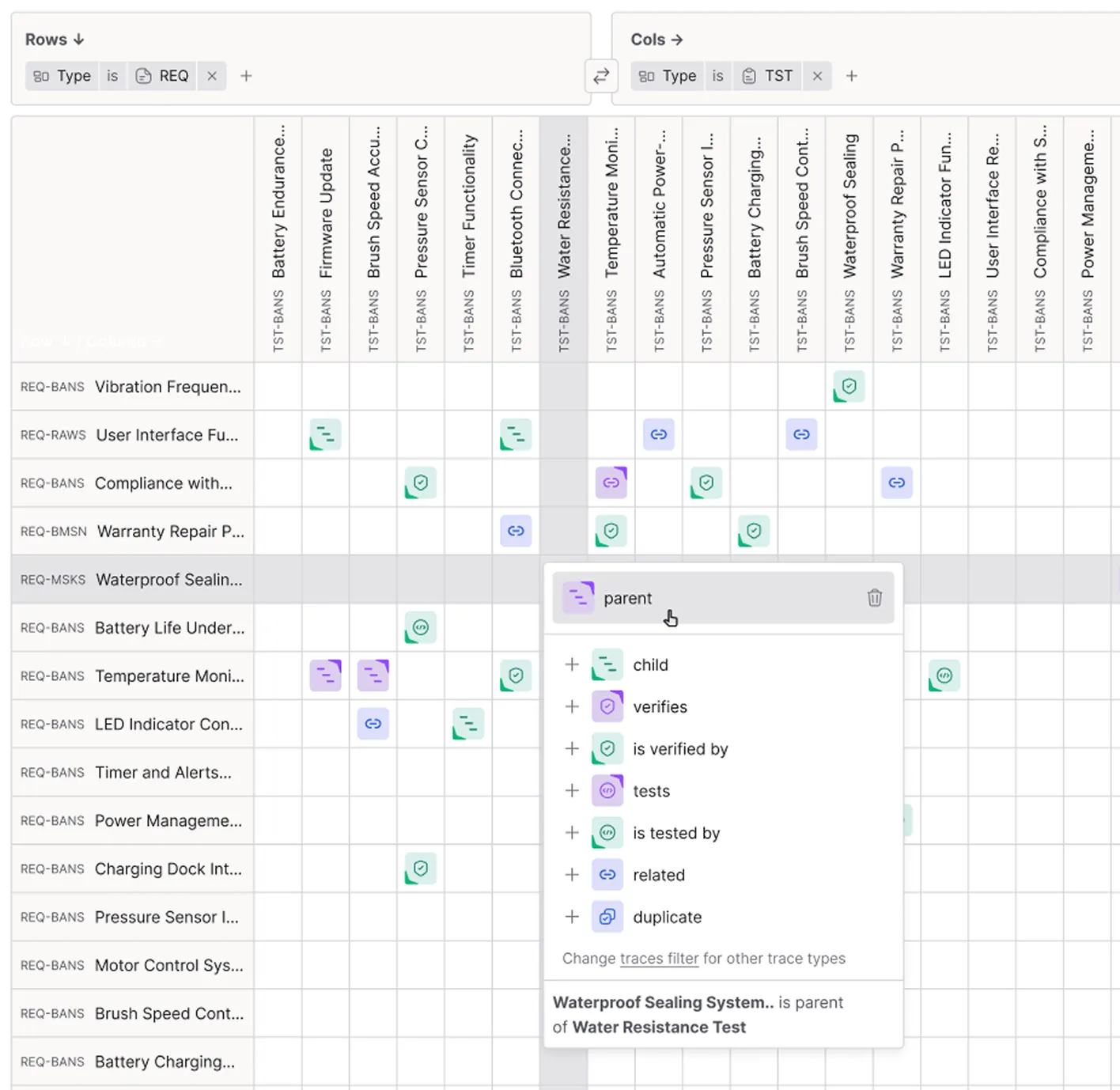
Requirements, tests, and design artifacts connected in a living graph. Change impact is visible instantly. Trace from stakeholder needs through system requirements, implementation, and verification in a single view.
Configuration Management
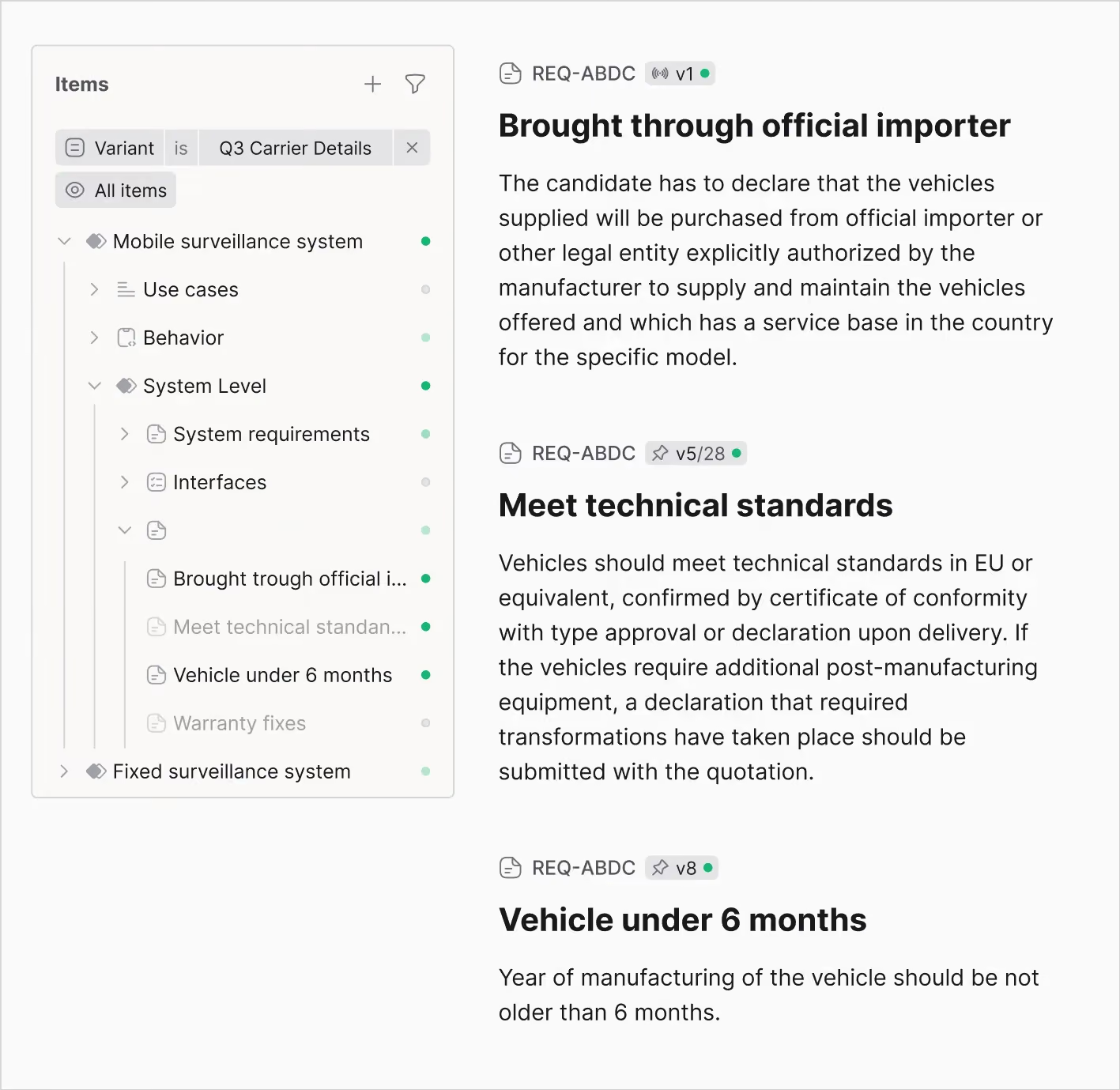
Manage how sets of requirements relate across customers, variants, and product lines. Filter and scope arbitrarily across configurations without losing the thread between what was promised and what was built.
Test Management
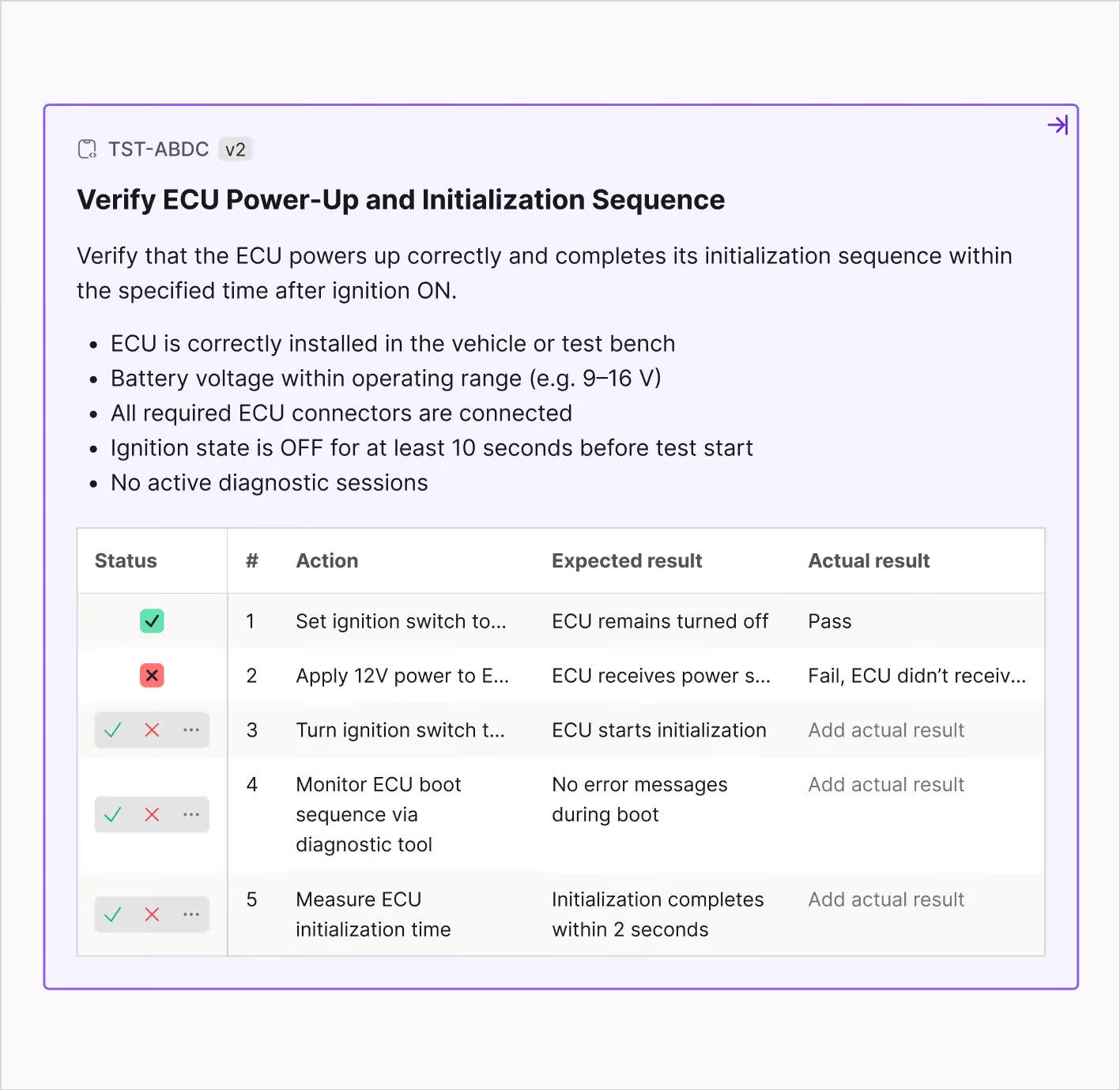
Track test execution, trace failures back to the requirements that drove them, and understand which design decisions are at risk. Failed tests connect directly to the system requirements they verify.
API-First Architecture
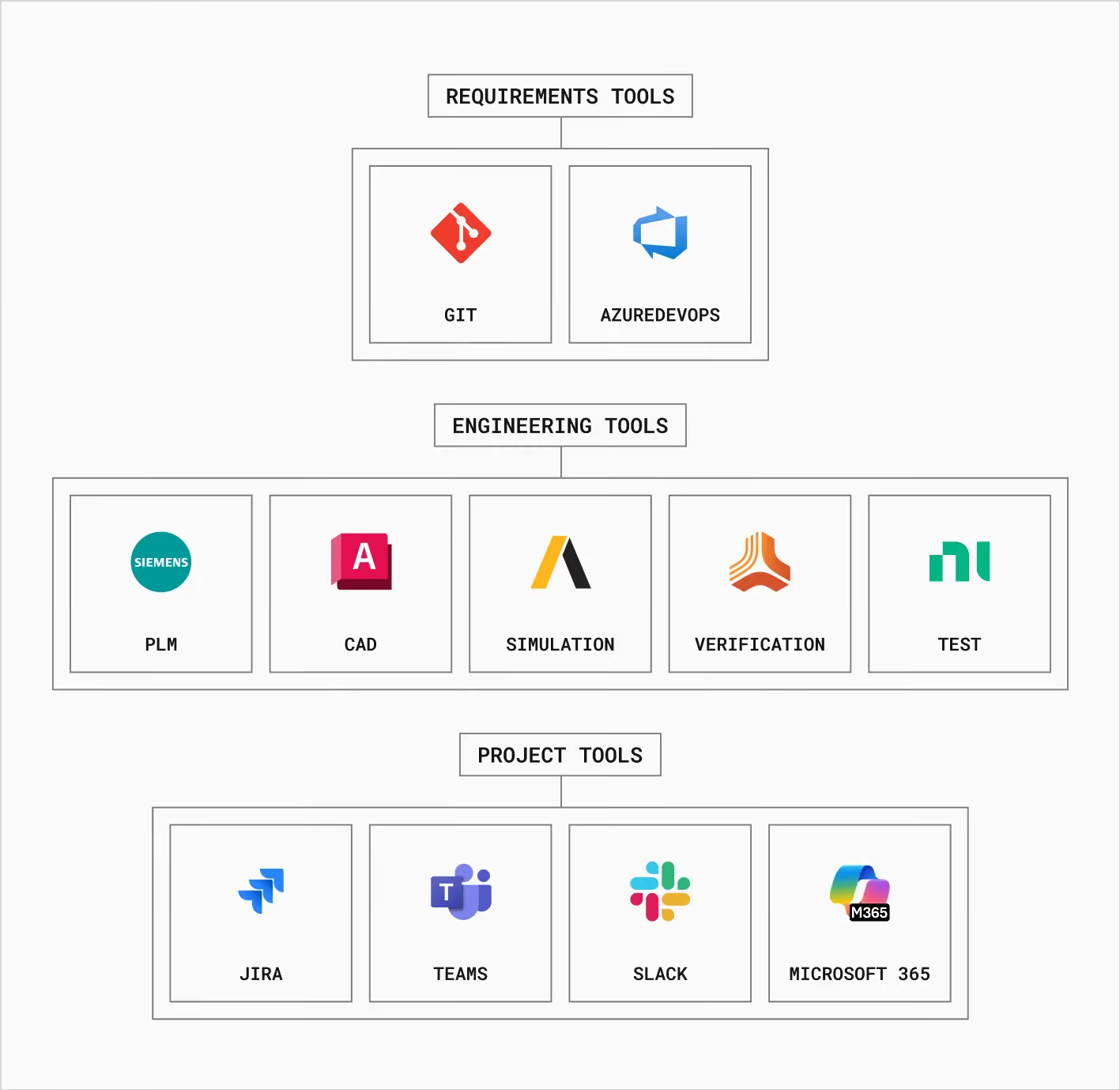
Every capability in Trace.Space is accessible programmatically. Integrate with PLM, CAD, Git, Jira, simulation tools, and custom systems. Build the workflows your organization needs without waiting on us.

Deployment on Your Terms
Four deployment modes. Same platform, same capabilities, same AI. Choose what fits your security posture.
Multi-Tenant Cloud
Managed SaaS. SOC 2 Type II certified, ISO 27001 compliant. Up and running in hours.
Virtual Private Cloud (VPC)
Dedicated infrastructure, isolated from other tenants. Your data stays in your region.
On-Premise
Full control. Deploy on your own infrastructure with your own security policies.
Air-Gapped
Zero external network access. AI runs locally on dedicated hardware via Trace.Rack. No outside calls, not even for inference. Built for defense, intelligence, and programs where data cannot leave the building.
Requirements Management Across Regulated Industries
Aerospace
Aerospace programs generate massive requirement sets across hardware and software. Trace.Space gives your team full traceability from system-level requirements through DO-178C and DO-254 verification, so nothing falls through the cracks on a 10-year certification timeline.
Automotive
Vehicles are becoming software-defined platforms with tens of thousands of safety-critical requirements. Trace.Space connects requirements across ECUs, embedded software, and hardware, helping automotive teams manage ISO 26262 compliance and change impact across every engineering domain.
Defense
Defense programs demand airtight traceability across multi-decade lifecycles, shifting threat landscapes, and strict acquisition frameworks. Trace.Space deploys on-premise or fully air-gapped, with AI that runs without external calls, built for the security posture defense contractors require.
Industrial
Industrial systems combine mechanical, electrical, and embedded software components with product variants that multiply complexity at every level. Trace.Space traces requirements across all domains and product lines, keeping long-lifecycle programs under control from first specification to field maintenance.
Medical Devices
Medical device teams navigate one of the most demanding regulatory environments in engineering. Trace.Space connects requirements to design, risk controls, and verification evidence in a single traceable structure, so your team can iterate fast and still walk into an FDA audit with confidence.
Software
Regulated software teams in government, financial services, and critical infrastructure need traceability that spans code, tests, and compliance evidence across fragmented toolchains. Trace.Space pulls it all together, linking every requirement to its implementation and audit trail without adding process overhead.
Transportation
Rail, urban mobility, and ground transportation systems demand coordinated requirements management across signaling, rolling stock, infrastructure, and embedded control systems. Trace.Space brings cross-domain traceability to programs where safety certification and system integration complexity intersect.
Frequently Asked Questions
How is Trace.Space different from legacy tools like DOORS, Jama, and Codebeamer?

Trace.Space is built as an AI-native coordination layer, not a records database with AI added later. Space Agent works inside your data model to generate trace links, flag missing coverage, and surface risky changes automatically, which is where teams report 10 to 100x productivity gains over manual workflows in legacy tools. The platform also imports your existing structure and trace links, so you migrate without starting over.
What does it mean that Trace.Space is AI-native?
AI-native means the AI was built into the platform's foundation, not bolted on as a recent feature. Space Agent operates inside your requirements, traces, and coverage model in real time, detecting broken links and surfacing change impact as you work rather than running as a separate chatbot. The AI does the coordination work, and engineers still make every decision.
Does Trace.Space work for hardware development, or only software?
Trace.Space works for hardware, software, and the systems where they meet. It traces requirements across mechanical, electrical, and embedded software domains, which is why teams use it for software-defined and autonomous products in aerospace, automotive, medical devices, and semiconductors. Multi-domain coordination is the core problem it was designed to solve.
Which industries does Trace.Space support?
Trace.Space supports regulated, complex-product industries: aerospace, automotive, defense, industrial, medical devices, semiconductors, software, transportation, and more. Each one carries heavy traceability and certification demands, from DO-178C in aerospace to ISO 26262 in automotive. The platform connects requirements through verification so nothing falls through the cracks on long certification timelines.
What makes Trace.Space a coordination layer rather than a requirements database?
Trace.Space is a coordination layer because it sits across your engineering stack and keeps requirements, design parameters, tests, and trace links connected as one living graph. Instead of requirements sitting in disconnected spreadsheets and documents, it ties every item to its rationale and downstream impact so multi-domain teams work in the same environment. A requirements database stores specs; a coordination layer is the connective tissue between people, tools, and artifacts.
How quickly do teams see productivity gains with Trace.Space?
Teams working in Trace.Space report 10 to 100x productivity gains over manual workflows in legacy tools, because the AI removes the coordination overhead that eats most of an engineer's day. Most teams are working inside the platform within days, since import structures and connects your existing requirements automatically. The gains come from cutting manual linking and gap-hunting, not from replacing engineering judgment.


See What Trace.Space Does With Your Requirements
Book a walkthrough with our team. Bring your own data. We will show you what changes when your engineering platform actually understands your system.