THE AI HARNESS TO ACCELERATE HARDWARE R&D
The Last Unsolved Problem in Hardware Engineering.
AI agents enable teams to build physical products 10x faster. But the faster teams move, the more important it is to know what’s being built, what’s changing, and what’s actually been tested. Risk compounds when development outpaces the ability to track and verify changes.
Trinity connects requirements, design parameters, tests, and product configurations so engineers and AI agents can work from the same engineering context. Teams scale products faster while reducing costly rework and safety risks.
Understand what a change impacts before the next release.
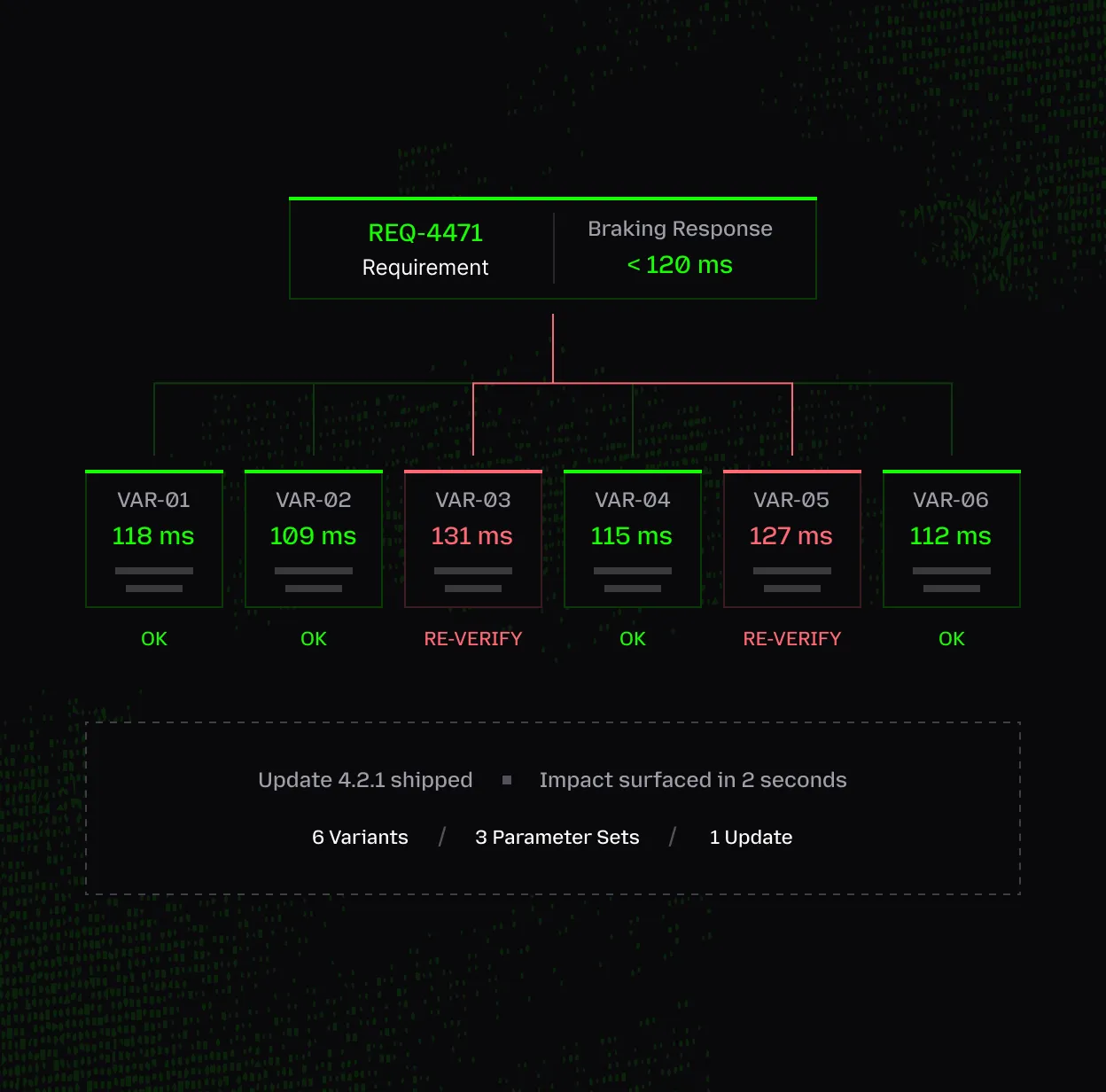
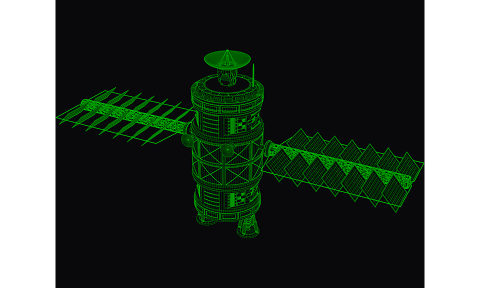
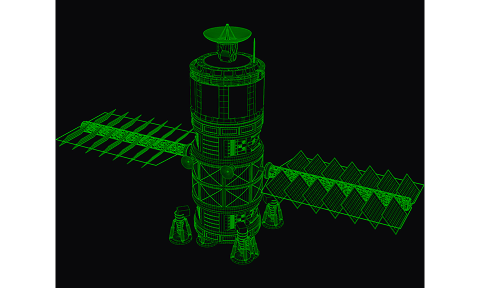
One software update can affect multiple hardware generations, each with different parameters, requirements, and test histories.
Trinity keeps the relationships behind those answers connected, so engineers and AI agents can investigate the impact without reconstructing the product's history across spreadsheets, documents, and conversations.
The product keeps evolving. The team's understanding has to keep up.
Define what's shared. Make the differences explicit.
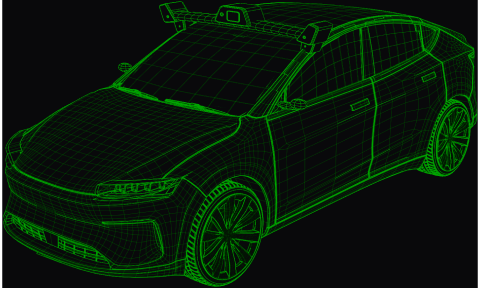
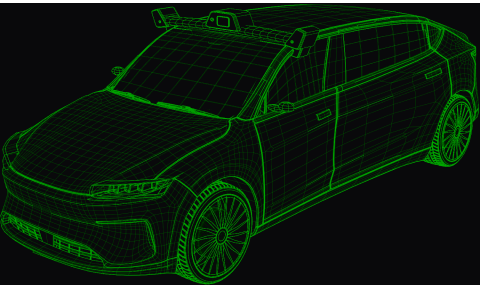
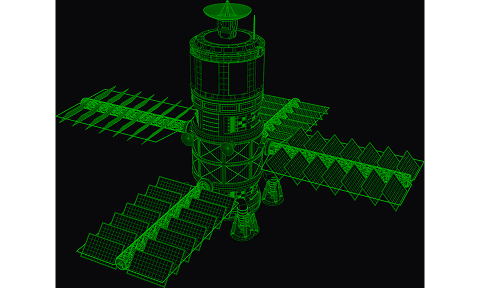
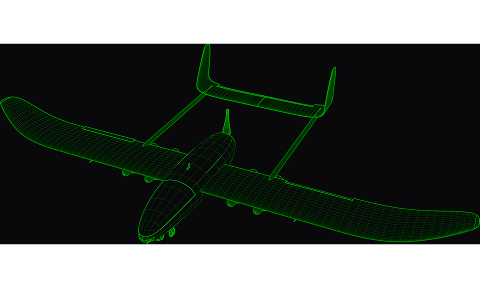
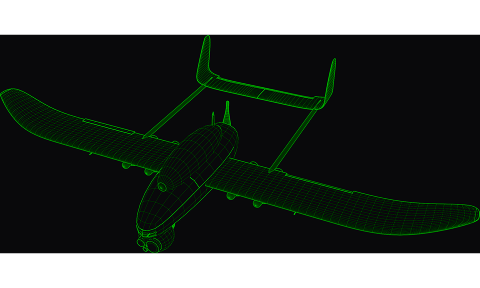
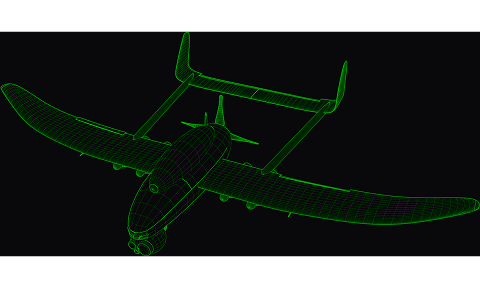
Moving to a fleet of products changes what your engineering system needs to hold. A requirement can be satisfied in one configuration and violated in another. A test can provide evidence for one hardware version and need repeating for the next.
Trinity gives teams the ability to define what is shared once and where each version differs. Requirements stay connected to tests, design parameters and product variants.
Record. Relate. Reason.
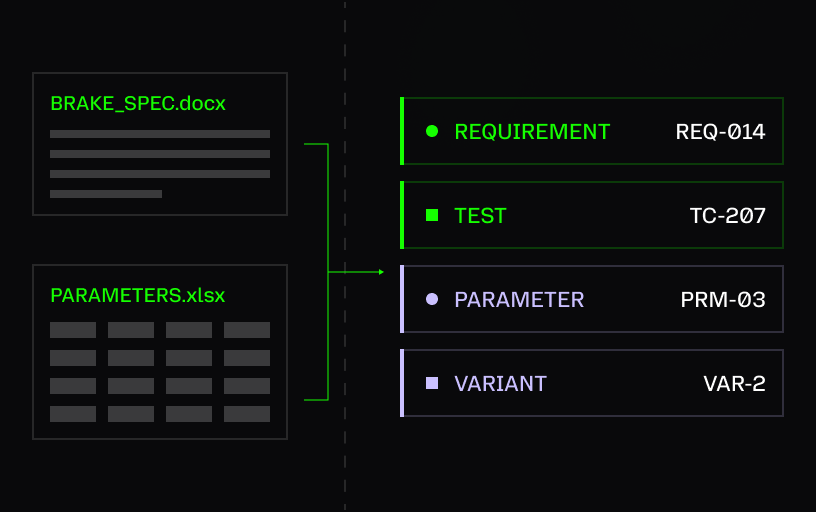
All engineering data in a single graph.
Requirements, tests, design parameters, variants, and other engineering data are connected in one model, with relationships and dependencies visible across the product.
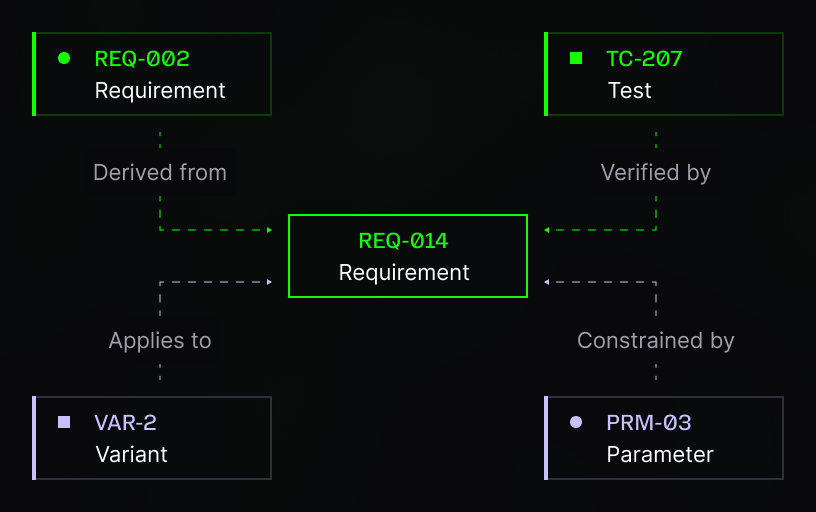
Connect every requirement, test, parameter, and variant.
Traceability that stays live instead of going stale in a spreadsheet. Change one parameter and see everything it touches, across every variant.
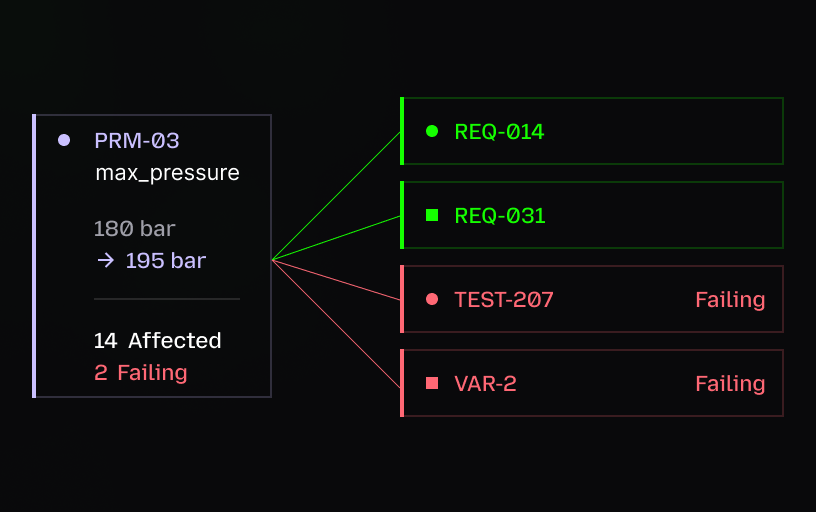
Change impact analysis, across the whole graph.
Reasoning and analysis run natively on the graph. Downstream impact, coverage gaps, what's affected, what's gone stale. Change a parameter and see which tests fail and which variants break, in seconds. Or ask Space Agent to do it for you.
Trinity is the AI harness to accelerate hardware R&D.
Agents work inside the product model, with the same requirements, parameters, tests and variants your engineers use. They check requirements, analyze changes and identify gaps across hardware generations and software releases.
Rules you define check their work. Engineers can review every change and context agents used. Run as many specialized agents as the work needs, all held to the same rules and the same product definition.
Do a week of engineering work in an afternoon.
Space Agent drafts requirements, writes traces, runs impact analysis and finds the gaps in your model. It walks the graph, so what it proposes comes from your actual product. It catches what would take a team weeks to find, and every change waits for an engineer to approve.
Use any AI model. Same harness.
Trinity's documented REST API and MCP server give your agents access to the engineering graph and functionality. Agents work from the same connected product definition.

Built for products that evolve in the field.


"The hard part isn't any single requirement - it's keeping requirements, tests, and hardware configurations connected across all of those versions at once. That's the structure we're building in Trace.Space."


Built for Enterprise Engineering Teams
Harness complexity. Turn it into leverage.
How humanity manages engineering information decides what humanity gets to build.